
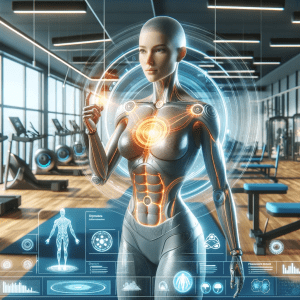
Members can get deep insights into optimizing their exercise efficiency, nutrition, sleep, and other lifestyle factors. The gym can then use AI and machine learning to analyze all this data about the member’s physiology and biology. Things like precise muscle activation metrics, biomechanics assessments, recovery biomarker tracking, and genomic/epigenetic profiling. This creates a lucrative model beyond standard memberships, transforming your fitness business. This can be a mobile app check-in that allows members to skip the front desk by using their smartphone to scan in and retrieve a digital locker assignment and entry. In 2026, it is expected by potential members for fitness facilities to offer some form of automation for ease of access.

This emphasis on sustainability fitness app for beginners is transforming how fitness equipment is designed, marketed, and maintained. Resistance machines with AI capabilities adapt to a user’s strength profile to provide the ideal level of training intensity. Real-time heart rate and oxygen level monitoring, synchronization with virtual contests, and route simulation are all features of smart cardio machines.
Devices like fitness trackers, smartwatches, and heart rate monitors are not just trendy accessories but vital tools for health monitoring and workout optimization. As these communities grow and spread their message, they contribute to a larger global movement towards sustainability. This ripple effect can lead to more significant changes, such as influencing fitness industry standards and promoting policies that prioritize sustainability. Through sustained efforts, these communities help pave the way for a healthier planet where fitness and environmental consciousness go hand in hand.
In this article, we’ll delve into mindful exercise options, discover gear that treads lightly on the environment, and uncover the hidden benefits of aligning our fitness routines with the planet’s well-being. In an era where environmental consciousness is paramount, technology continues to evolve in ways that align with sustainable practices. Wearable technology, once seen as a luxury or novelty, has embraced eco-friendly innovations. These innovations not only enhance our lives but also contribute to a greener, more sustainable future. In this article, we will explore 12 remarkable eco-friendly innovations in wearable tech that are pushing the boundaries of sustainability while delivering practical benefits. One innovative feature is the “Community Impact” dashboard, which shows the collective environmental impact of all EcoTrack Zen users.
From their shorts and leggings to tops and jackets, Fourlaps prioritizes performance without compromising on aesthetic appeal. BrandBlack’s athleisure footwear collection showcases cutting-edge technologies, providing a balance of comfort, performance, and style. From running shoes to basketball sneakers, their footwear incorporates features like lightweight materials, responsive cushioning, and advanced traction systems.
People like to follow new fitness trends like group classes with music-driven, virtual reality, and hybrid participation. Popular group fitness formats include HIIT-based group sessions, rhythm-based workouts, and community-focused boutique studio experiences that boost engagement and retention. Innovative gym equipment, such as foldable benches and app-connected machines, transforms home spaces into personal gyms.
BrandBlack’s sneakers are often characterized by sleek silhouettes, unique color palettes, and attention-grabbing design details. Their garments involve streamlined silhouettes, understated aesthetics, and a full range of neutral colors, allowing for easy mix-and-match options. Uniqlo’s focus on functional basics ensures that their athleisurewear seamlessly integrates into various wardrobes and personal styles, which is why it’s become so popular even among people who aren’t especially athletic.
The mood tracking feature is particularly interesting, allowing users to log their emotional state throughout the day. The app then analyzes this data alongside other metrics like sleep quality, activity levels, and heart rate variability to identify patterns and suggest lifestyle changes that might improve overall well-being. The main body is made from recycled ocean plastics, while the strap is crafted from a innovative plant-based polymer that biodegrades within five years if discarded.
This vision is attainable and is becoming increasingly popular among fitness entrepreneurs aiming to reduce their carbon footprint. By transforming your gym into a sustainable space, you contribute to the planet’s health and enhance your brand’s appeal to environmentally conscious clients. From virtual reality workouts reducing the need for physical gym spaces to AI-powered personal training apps minimizing travel, technology will play a crucial role in creating a more sustainable fitness industry. AI and wearable technology offer the latest workout equipment, providing real-time tracking of metrics such as heart rate, calories, and recovery. At the same time, AI analyzes this data to create personalized trending workout plans that adapt as users progress. Predictive analytics help prevent injuries and overtraining by forecasting fatigue and performance issues.
When individuals engage with eco-friendly fitness communities or initiatives, they contribute to a powerful collective movement that goes beyond personal health and extends to environmental sustainability. This section explores the transformative role of community involvement in fostering a sustainable fitness culture and its broader implications on global wellness. The fitness industry can generate substantial waste from disposable water bottles to non-recyclable workout gear. By adopting greener practices, such as using reusable water containers and purchasing equipment made from recycled materials, fitness enthusiasts can dramatically cut down on waste. This shift not only keeps our landfills less cluttered but also stimulates the market for recycled products. These initiatives, led by both prominent global brands and smaller independent businesses, underscore a growing trend in the fitness industry towards more sustainable practices.
In theamalgamation of tech and sustainability, we glimpse a future where every step, stretch, and squat is a pledge towards ahealthier self and a greener world. The digital age showers us with a multitude of applications and technologies aimed at enhancing our fitness journeywhile concurrently nodding towards sustainability. In this segment of our sustainable fitness journey, every step,every jump, and every stretch becomes a promise of preservation and a stride towards a future that is in harmony withour environmental aspirations. Prioritize items manufactured withrecycled or sustainable materials, and give preference to those that have certifications from recognized environmentalorganizations. Opt for durable products that promise longevity and consider second-hand or upcycled equipment whichcircumvents the need for new production.
Local and seasonal eating supports sustainable food systems by bolstering regional economies and reducing transportation-related carbon emissions. Sourcing produce from nearby farms encourages ecological resilience and fosters connections between consumers and local food producers, enhancing community support for sustainable agricultural practices. Today’s people purchase workout equipment to feel better and live longer, not just to look beautiful.
In 2026, AI has emerged as the new must-have technology for forward-thinking gyms and fitness studios. The consolidation of health and fitness data from various sources into unified platforms like Apple Health and Google Fit has been a significant advancement. This integration allows for a holistic view of one’s health, enabling more informed decisions and better tracking of fitness goals. With 60% of British people identifying climate change as the biggest threat to civilisation, it’s clear that eco-conscious practices align with consumer values. The prevalence of climate-related disasters, combined with rising eco-anxiety (particularly among younger generations), influences consumer behaviour.
Hier komt de sidebar